Bringing a new life into the world is one of the most significant things a person can go through. It is also, for many people, one of the most emotionally raw and disorienting. The cultural expectation is joy, bonding, and a natural sense of confidence in your new role. The reality, for a significant number of new parents, is something much harder to talk about.
Postpartum depression and anxiety are not signs of weakness, failure, or that you are the wrong person for this. They are common, recognized medical conditions that affect people across every background, every family structure, and every level of preparation. You can love your baby completely and still be really struggling. Both things can be true at the same time, and both deserve to be taken seriously. Our therapists provide compassionate, specialized support for the postpartum experience in all its complexity.
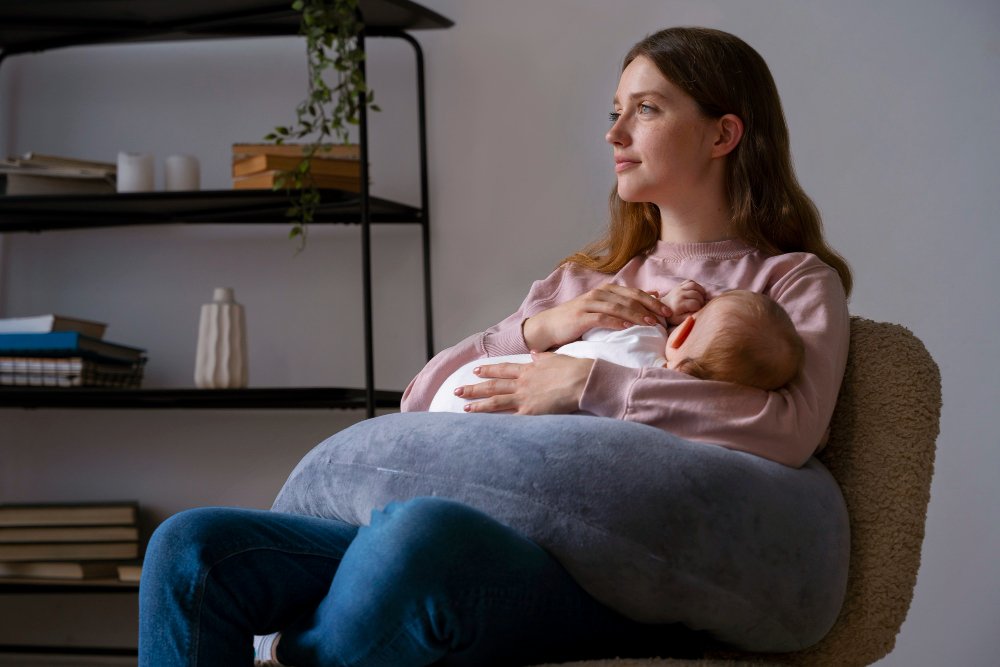
Maybe you expected to feel an immediate, overwhelming rush of love and instead felt numb, terrified, or disconnected.
Postpartum anxiety can look like constant worry about your baby's safety, intrusive thoughts that frighten you, an inability to sleep even when the baby is sleeping.
The gap between how you feel and how you think you are supposed to feel can be one of the loneliest parts of the postpartum experience.
Postpartum depression and anxiety respond very well to treatment, and the earlier support is sought, the better the outcomes tend to be for both the parent and the child. Therapy gives you a safe, confidential space to speak honestly about your experience without fear of judgment, misunderstanding, or consequences, and to begin developing the tools and perspective that make the postpartum period more manageable and more meaningful.
Our therapists are experienced in supporting new parents through the full range of postpartum mood and anxiety disorders. We draw from evidence-based approaches including Cognitive Behavioral Therapy (CBT), Interpersonal Therapy (IPT), which has strong research support specifically for postpartum depression, and mindfulness-based techniques that help you stay grounded when anxiety pulls you out of the present moment. We also work closely with OBGYNs, midwives, and other perinatal providers when coordinated care is in your best interest.
We support new parents experiencing:


We know that reaching out when you are exhausted, overwhelmed, and caring for a newborn takes real effort. We want to make that effort as worthwhile and as easy as possible from the very first contact. When you reach out to us, we will work to match you with a therapist quickly, understand your current situation, and make the logistics of getting started as simple as we can.
Your first session is about being heard. Your therapist will take the time to understand your experience fully, without assumptions about what postpartum depression or anxiety looks like or should look like for you. Some people arrive having been struggling since the birth. Others come in months later, having held it together as long as they could before reaching a breaking point. Wherever you are is the right place to start.
Telehealth is available and, for many new parents, is the most practical way to access consistent care when leaving the house with a newborn is genuinely complicated. In-person sessions are available at our New York and Massachusetts locations for those who prefer or benefit from face-to-face support. Sessions are 50 minutes, and we will work with your schedule and the unpredictability of new parent life to find times that are as manageable as possible.
If your partner or co-parent would benefit from support as well, we are well-positioned to help. Postpartum mood disorders affect the whole family system, and we welcome partners into the process in whatever way is helpful.
The postpartum period raises questions that are hard to ask out loud, especially when you feel like you are supposed to be grateful and happy. Here are the ones we hear most often, answered with the honesty and care you deserve.
The baby blues, which affect up to 80 percent of new parents, typically involve tearfulness, mood swings, and emotional sensitivity in the first one to two weeks after birth and resolve on their own.
Intrusive thoughts, including unwanted, distressing thoughts about harm coming to your baby, are one of the most common and least talked about symptoms of postpartum OCD and postpartum anxiety.
No. Postpartum depression and anxiety can affect any new parent, including non-birthing partners. Research suggests that roughly one in ten new fathers and partners experience postpartum depression, and that number is likely higher given how rarely it is talked about or screened for.
Yes, we accept a range of insurance plans. Please reach out directly so we can verify your specific coverage and walk you through your options before your first session. We are committed to making postpartum care accessible and will make the process of getting started as straightforward as possible.
You are not failing at parenthood. You are going through something real, and you deserve real support. At Tri-State Psychotherapy Group, our compassionate team is here to help you find your footing, reconnect with yourself, and build the experience of parenthood that you and your family deserve. Reach out today and let’s take that first step together.